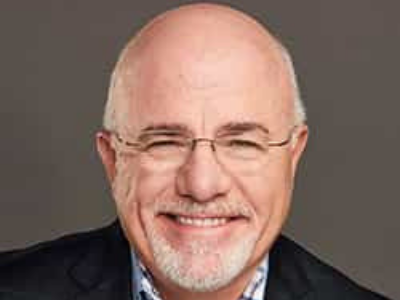
Janeese Lewis George wins the Democratic primary for mayor of Washington, DC
News > Politics & Government News


Audio By Carbonatix
1:50 PM on Thursday, June 18
By GARY FIELDS and MATT BROWN
WASHINGTON (AP) — Janeese Lewis George, who pledged to aggressively stand up to federal intervention into Washington, D.C.'s affairs, won Tuesday's Democratic primary for mayor, setting up a potential showdown with the Trump administration over its moves to challenge the city’s limited autonomy.
In an overwhelmingly Democratic city, Lewis George is likely to take the top spot in November's general election, replacing moderate Muriel Bowser, who decided not to run again after three terms.
Lewis George joins Robert White Jr., who won the Democratic primary for the district's delegate to Congress, as the top local officials who likely will contend with the federal government's intentions for the city. They each campaigned on a promise to take a harder line than their predecessors against the Trump administration's moves on the district, including its deployment of the National Guard on an ongoing, open-ended mission meant to fight crime.
Speaking at a news conference Thursday, Lewis George said she hoped she could work together with the administration “as every mayor has had to work with any president of the United States, no matter their party.”
But, she said, she would oppose actions that threaten the city's residents.
"We are not going to be able to stand up for our autonomy and fight for D.C. statehood ultimately, by just complying in advance,” Lewis George said. “I have also been very clear that I will work with anyone including the president for the best interest of D.C. residents.”
Washington has limited autonomy and federal leaders retain significant control over local affairs, including approval of the budget and laws passed by the D.C. Council.
President Donald Trump further encroached on that autonomy last year when he briefly federalized the city's police force and deployed an ongoing law enforcement surge that included the National Guard. Trump’s efforts to downsize the federal government also roiled the capital region, costing thousands of people their jobs. He has also been reshaping the city by renovating storied landmarks and putting his name or image on buildings.
Lewis George, a self-described democratic socialist and a member of the D.C. Council, has already come under fire from Trump, who last week threatened to place the city under federal control if she won.
“Maybe we’d take back Washington, run it on the federal basis,” he said.
Her main opponent, former D.C. Council member Kenyan McDuffie, conceded the race Thursday and said he had contacted Lewis George to congratulate her.
“While the final certification process will continue, it is clear that the voters have chosen a different path,” he said in a statement. He wished Lewis George luck in the general election and called on his supporters to continue working.
Lewis George, 38 and a third generation Washingtonian, has vowed to overrule an executive order by the city’s police chief permitting local law enforcement to cooperate with Immigration and Customs Enforcement agents. Lewis George argued the order “hurt the trust of our community.”
Lewis George also vowed to use any levers available to her through the city’s home rule compact to resist what she called authoritarian infringements on the district’s local governance.
“We have legal tools we can use to fight back,” she told The Associated Press in an interview before the vote. “And we know that when we have gone to court, we’ve won.”
Bowser found herself walking a fine line between staying in Trump’s good graces and responding to the concerns of constituents, many of whom said she didn’t push back hard enough on Trump’s actions. Eleanor Holmes Norton, the 18-term, 89-year-old delegate to Congress, meanwhile, faced mounting concern from critics who said she wasn't forcefully pushing back on the Trump administration's moves against the city.
Lewis George has also made affordability a top priority and her platform has included issues like rent support as well as ending below minimum wage pay for tipped employees and controlling high utility rates.
Tuesday’s primary marked the first time in a generation that D.C. residents voted for a new mayor and delegate in the same election. It was also the city’s first election using ranked choice voting.