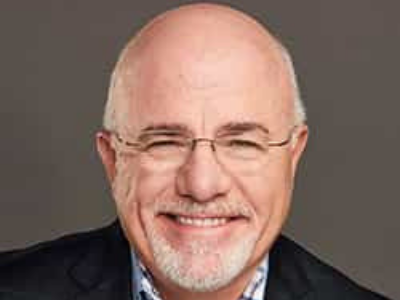
Warsh's challenge: Navigating Fed independence and Trump's demands
News > Business News


Audio By Carbonatix
9:37 AM on Friday, January 30
By CHRISTOPHER RUGABER and JOSH BOAK
WASHINGTON (AP) — Kevin Warsh has sought the job of Federal Reserve chair, off and on, since President Donald Trump first considered him for the position nearly a decade ago. Now that he is in line for the position, the enormity of the challenge ahead of him is clear.
To be effective, Warsh must gain the trust of at least three constituencies: the committee of Federal Reserve officials whose votes he will have to win to change interest rates; the financial markets, which can undermine his efforts to reduce borrowing costs if they think he is acting politically; and not least Trump, a former real estate developer with an exquisite sense of just how much difference a cut or increase in interest rates can make for those with large debts, whether they are businesses, households or a government.
“He has to thread that needle," said Raghuram Rajan, an economist at the University of Chicago and former head of India's central bank. “If you are seen as too pliable to the administration, you lose the support of the members of the (Fed), you become ineffective in creating consensus.”
Yet if he alienates the White House, Rajan said, Warsh runs the risk of putting the Fed back in the White House's sights. Under Trump, the current chair Jerome Powell has come under relentless fire for not cutting interest rates as quickly as the president would like, and is now under criminal investigation by the Department of Justice. Powell has called the investigation a pretext to force him to lower rates.
Warsh may also face a bumpy confirmation process in the Senate, where two Republicans have already said they will oppose his nomination unless the criminal investigation is resolved. One of them, Thom Tillis from North Carolina, is on the banking committee, and could prevent that panel from approving the nomination if he and all Democrats vote against it. Tillis repeated Friday that he would oppose Warsh until the Justice Department investigation is resolved.
And Democratic Sen. Mark Warner from Virginia, who is also on the committee, said: "It is difficult to trust that any chair of the Federal Reserve selected by this president will be able to act with the independence required of the position, knowing that this administration will levy charges against any leader who makes interest rate decisions based on facts and the needs of our economy rather than Trump’s personal preferences.”
And there may be even more drama ahead: Powell, as part of the Fed's complex structure, could remain on the Fed's governing board, as well as its rate-setting committee, even after his term as chair ends in May. That would leave Warsh facing a situation no Fed chair has dealt with in 80 years: A former chair potentially acting as a counterweight to the new leader of the Fed.
Demonstrating some independence from the White House will likely be Warsh's biggest challenge. Alan Blinder, a former Fed vice chair, said that most important unknown is what promises Trump extracted from Warsh in return for nominating him to lead the U.S. central bank. The Princeton University economist said he worries about the private conversations between Trump and Warsh about what Fed policy needed to be.
“We all know Donald Trump — he wants a loyalty pledge of some kind,” Blinder said. “I hope Kevin Warsh didn’t give one.”
Blinder said that Warsh does have experience with markets and monetary policy, which are good preparation for the job. But, more importantly, Warsh is a people person who has the skills to influence other Fed officials when debating policy.
“The one thing he has in abundance is personal and diplomatic skills,” Blinder said. “He knows how to get along with people. He’s expert at that. He’s very likable.”
Don Kohn, a former Federal Reserve governor whose term overlapped with Warsh's, said Warsh “is very smart — both intellectually and in his ability to read the room.”
“He understands how important it is that the Fed’s decisions be based on a longer-term view” of the Fed's goals of stable prices and maximum employment, “rather than the short-term objectives of whomever happens to be in the White House," Kohn said.