Trump Marijuana Schedule III Is Not Deregulation - It Activates U.S. Treaty Obligations and Federal Cannabis Quotas
News > Business News

Audio By Carbonatix
2:50 PM on Thursday, April 23
The Associated Press
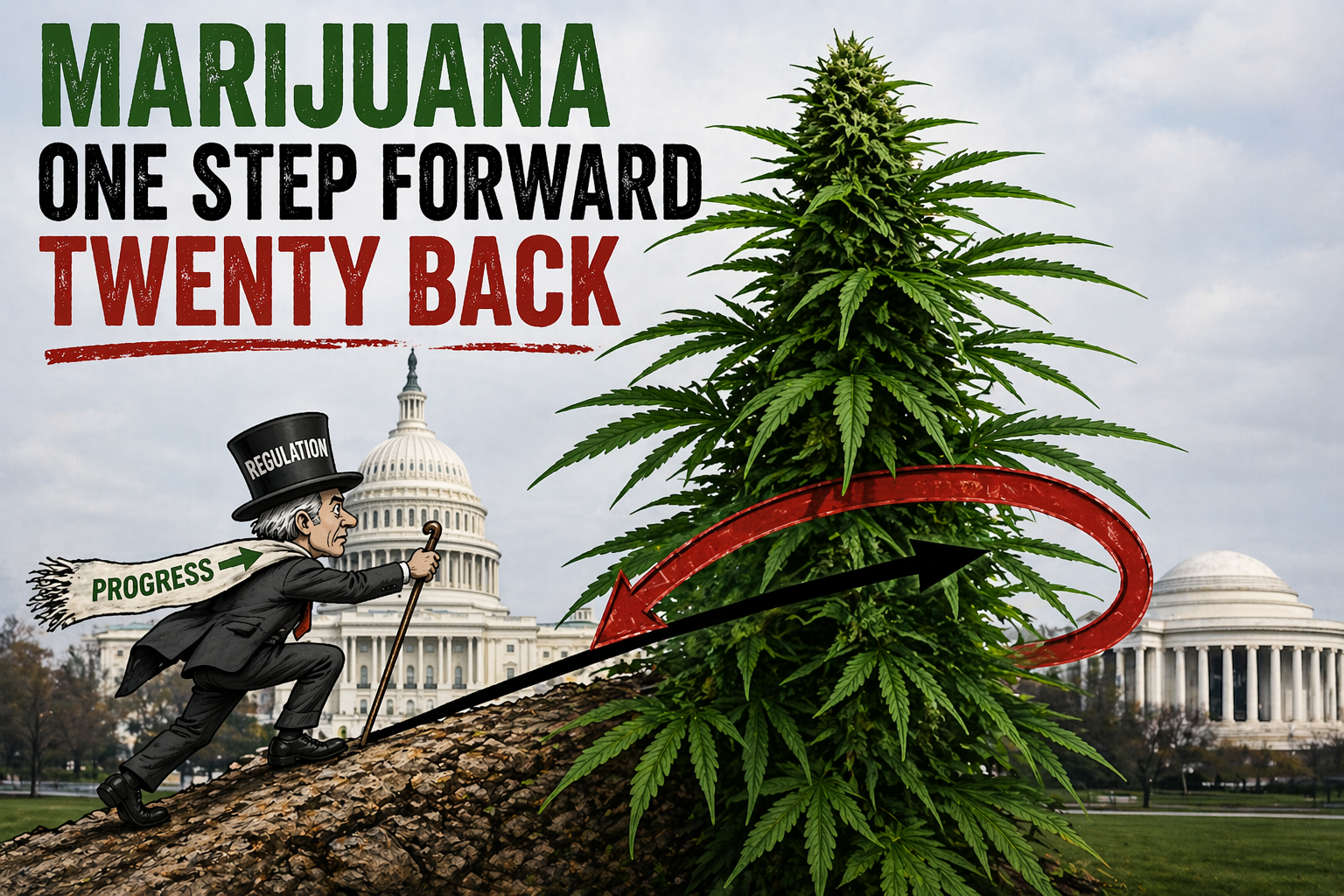
WASHINGTON, DC / ACCESS Newswire / April 23, 2026 / The recent decision by the U.S. Attorney General and the Drug Enforcement Administration to move certain forms of medical marijuana into Schedule III marks the beginning-not the end-of federal cannabis regulation.
While many operators are celebrating anticipated tax relief under Section 280E, few are recognizing what the rescheduling order actually triggers:
International treaty compliance, federal quota control, and DEA oversight of the medical marijuana supply chain.
For pharmaceutical cannabinoid developer MMJ International Holdings, these developments confirm what the company has maintained for years:
Cannabis is entering a federally controlled drug manufacturing framework.
Schedule III Activates the Single Convention Framework
The Attorney General's order was issued under 21 U.S.C. § 811(d)(1) specifically to align the United States with its obligations under the Single Convention on Narcotic Drugs.
That alignment carries consequences.
Under the treaty:
governments must supervise cannabis production
national agencies must control bulk supply
manufacturing quantities must be tracked
exports and imports require permits
inventories must be reported
Most importantly:
national governments must maintain oversight of cannabis cultivation through quota-style controls.
As the DEA confirmed in its implementation framework, registered manufacturers' cannabis crops may be subject to a purchase-and-resale mechanism administered by the federal government to maintain treaty compliance.
This is not optional.
It is treaty law.
DEA Will Become Part of the Medical Cannabis Supply Chain
The Schedule III order makes clear that the federal government is not stepping back from cannabis oversight.
It is stepping into the supply chain.
DEA registration now becomes essential for entities that:
manufacture
distribute
dispense
import
export
research
medical marijuana under federal authority.
The agency's role expands further because treaty compliance requires federal supervision of cultivation output itself-not just finished products.
This shifts cannabis from a state-regulated commodity model toward a controlled pharmaceutical production model.
Quotas Are Coming - Whether the Industry Is Ready or Not
Under international narcotics control frameworks, cannabis manufacturing volumes must be reported and justified.
That means:
production forecasts
inventory reconciliation
controlled distribution pathways
federal reporting obligations
become structural requirements of participation in the Schedule III system.
Most state-licensed operators were never designed to operate under quota-governed production environments.
MMJ International Holdings was.
A Compliance Gap Emerging Between State Operators and Federal Registrants
While the rescheduling order allows state medical operators to apply for DEA registrations through an expedited pathway, treaty compliance still requires:
controlled production accounting
federal inventory traceability
import/export permitting
security alignment with DEA standards
and reporting obligations tied to international oversight frameworks
Many existing operators have not yet implemented infrastructure capable of meeting those requirements.
That gap will define the next phase of the industry.
MMJ International Holdings Built Its Platform Around Treaty Compliance
Unlike conventional cannabis companies entering federal oversight for the first time, MMJ International Holdings structured its cannabinoid drug development programs around:
DEA Schedule I laboratory registration
FDA botanical drug development guidance
controlled active pharmaceutical ingredient manufacturing pathways
clinical trial supply-chain traceability
international import/export permitting infrastructure
This alignment positions MMJ uniquely as cannabis transitions into a federally supervised medical manufacturing ecosystem governed jointly by the DEA and international treaty obligations.
Schedule III Marks the Beginning of Real Cannabis Regulation
"Schedule III is not deregulation," said Duane Boise, CEO of MMJ International Holdings.
"It activates the United States' treaty responsibilities under the Single Convention and brings cannabis into a quota-controlled pharmaceutical framework. Most operators are celebrating tax relief. Very few are preparing for compliance reality."
The Industry's Next Challenge Is Federal Alignment
As cannabis moves into Schedule III, the regulatory landscape shifts from:
state experimentation
to
federal supervision
Companies capable of operating within DEA-controlled manufacturing systems will be positioned differently than those built exclusively around state licensing structures.
"MMJ built its platform assuming cannabis would eventually be regulated like every other controlled therapeutic substance," Boise added.
"That future has arrived."
Madison Hisey
203-231-8583
SOURCE: MMJ International Holdings
View the original press release on ACCESS Newswire